

Can fireproof boards be used in elevator shafts? This is a question that often comes up in the construction and building safety industry. As a fireproof board supplier, I've encountered this query numerous times from architects, contractors, and building owners. In this blog post, I'll explore the feasibility, advantages, and considerations of using fireproof boards in elevator shafts.
Understanding the Role of Elevator Shafts in Building Safety
Elevator shafts are vertical passages that house elevators in a building. They play a crucial role in the overall safety of a building during a fire. In the event of a fire, elevator shafts can act as chimneys, allowing smoke and fire to spread rapidly between floors. This can pose a significant threat to the occupants of the building, as well as to firefighters trying to access different floors. Therefore, it is essential to ensure that elevator shafts are properly protected to prevent the spread of fire and smoke.
The Benefits of Using Fireproof Boards in Elevator Shafts
Fireproof boards offer several advantages when used in elevator shafts. Firstly, they provide excellent fire resistance. Fireproof boards are designed to withstand high temperatures for an extended period, which can help to contain the fire within a specific area and prevent it from spreading to other parts of the building. This can buy valuable time for occupants to evacuate the building safely and for firefighters to control the fire.

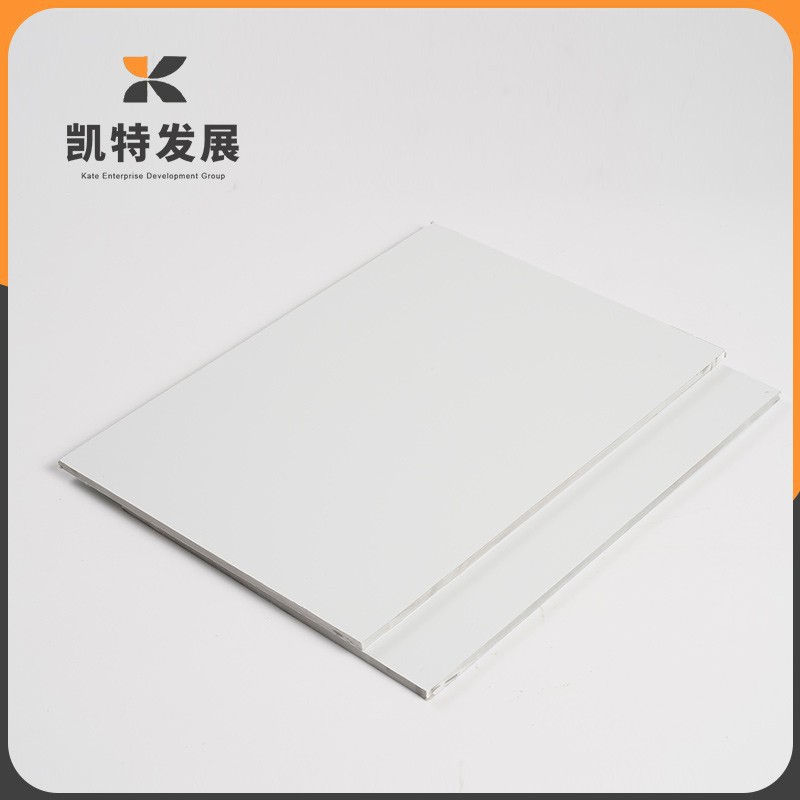
Secondly, fireproof boards can also help to reduce the spread of smoke. Smoke is often the leading cause of death in fires, as it can quickly fill a building and make it difficult for occupants to breathe and find their way out. Fireproof boards can act as a barrier to smoke, preventing it from entering the elevator shaft and spreading to other floors.
In addition to fire and smoke resistance, fireproof boards are also durable and easy to install. They can be cut and shaped to fit the specific requirements of the elevator shaft, and they can be installed quickly and efficiently. This can help to reduce construction time and costs, while still ensuring the safety of the building.
Types of Fireproof Boards Suitable for Elevator Shafts
There are several types of fireproof boards available on the market, each with its own unique properties and characteristics. Some of the most common types of fireproof boards used in elevator shafts include:
- A2 Grade Fireproof Board: This type of fireproof board is made from non-combustible materials and has excellent fire resistance. It is suitable for use in high-risk areas, such as elevator shafts, where fire safety is of the utmost importance. You can find more information about A2 Grade Fireproof Board.
- 4mm Alu Composite Sheet Decorative Material: This type of fireproof board is made from a combination of aluminum and other materials, and it has good fire resistance and decorative properties. It is suitable for use in elevator shafts where aesthetics are also a consideration. You can find more information about 4mm Alu Composite Sheet Decorative Material.
- External Fireproof Board: This type of fireproof board is designed for use on the exterior of buildings, and it has excellent weather resistance and fire resistance. It is suitable for use in elevator shafts that are exposed to the elements. You can find more information about External Fireproof Board.
Considerations When Using Fireproof Boards in Elevator Shafts
While fireproof boards offer many benefits when used in elevator shafts, there are also some considerations that need to be taken into account. Firstly, it is important to ensure that the fireproof boards are installed correctly. Improper installation can compromise the fire resistance of the boards and reduce their effectiveness in preventing the spread of fire and smoke.
Secondly, it is also important to consider the ventilation requirements of the elevator shaft. Fireproof boards can act as a barrier to air flow, which can affect the ventilation of the shaft. Therefore, it is important to ensure that the elevator shaft is properly ventilated to prevent the buildup of smoke and heat.
Finally, it is important to ensure that the fireproof boards are maintained regularly. Over time, the fire resistance of the boards can degrade due to wear and tear, exposure to the elements, and other factors. Therefore, it is important to inspect the boards regularly and replace them if necessary to ensure that they continue to provide effective fire protection.
Conclusion
In conclusion, fireproof boards can be an effective solution for protecting elevator shafts in buildings. They offer excellent fire and smoke resistance, durability, and ease of installation, which can help to improve the safety of the building and reduce the risk of fire-related injuries and deaths. However, it is important to ensure that the fireproof boards are installed correctly, that the elevator shaft is properly ventilated, and that the boards are maintained regularly to ensure their effectiveness.
If you are interested in using fireproof boards in your elevator shafts or other building applications, I encourage you to contact us for more information. Our team of experts can help you to choose the right type of fireproof board for your specific needs and provide you with professional installation and maintenance services. We are committed to providing high-quality fireproof boards and excellent customer service, and we look forward to working with you to improve the safety of your building.
References
- National Fire Protection Association (NFPA). (2018). NFPA 101: Life Safety Code. Quincy, MA: NFPA.
- International Building Code (IBC). (2018). International Code Council. Washington, DC: ICC.
- Underwriters Laboratories (UL). (2018). UL 263: Standard for Fire Tests of Building Construction and Materials. Northbrook, IL: UL.