

Hey there! As a supplier of PE aluminium composite panels, I often get asked about the different packaging methods for these panels. In this blog post, I'll share some of the most common and effective ways to package PE aluminium composite panels to ensure they reach our customers in top-notch condition.
Why Proper Packaging Matters
First off, let's talk about why packaging is so important for PE aluminium composite panels. These panels are relatively large and flat, and they can be easily damaged during transportation and handling. Proper packaging helps protect the panels from scratches, dents, and other forms of physical damage. It also shields them from environmental factors like moisture, dust, and sunlight, which can cause discoloration and degradation over time.
Common Packaging Materials
There are several materials commonly used for packaging PE aluminium composite panels. Here are some of the most popular ones:
Protective Films
One of the most basic and essential packaging materials for PE aluminium composite panels is protective film. This thin plastic film is applied directly to the surface of the panels to prevent scratches and abrasions during handling and transportation. The film is usually made of polyethylene or polypropylene and comes in different thicknesses and colors. Some protective films also have anti-static properties to reduce the attraction of dust and dirt.
Cardboard
Cardboard is another widely used packaging material for PE aluminium composite panels. It provides a layer of cushioning and protection against impacts and vibrations. Cardboard boxes or sheets can be used to wrap individual panels or to group multiple panels together. Cardboard is lightweight, inexpensive, and easy to handle, making it a popular choice for both domestic and international shipments.
Wooden Crates
For larger or heavier shipments of PE aluminium composite panels, wooden crates are often used. Wooden crates provide a high level of protection against impacts, moisture, and pests. They are also strong and durable, making them suitable for long-distance transportation and rough handling. Wooden crates can be custom-made to fit the specific size and shape of the panels, ensuring a snug and secure fit.

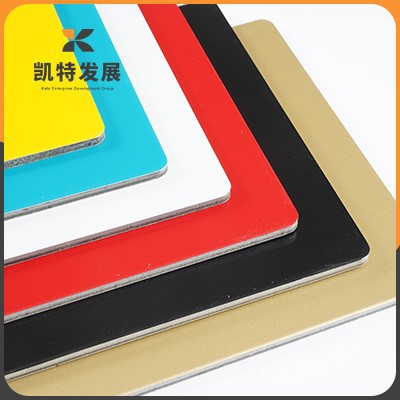
Foam
Foam is a versatile packaging material that can be used to provide additional cushioning and protection for PE aluminium composite panels. Foam sheets or blocks can be placed between the panels to prevent them from rubbing against each other and to absorb shocks and vibrations. Foam is lightweight, flexible, and easy to cut and shape, making it a popular choice for packaging irregularly shaped or fragile panels.
Packaging Methods
Now that we've covered the common packaging materials, let's take a look at some of the most common packaging methods for PE aluminium composite panels.
Individual Panel Wrapping
The simplest and most basic packaging method for PE aluminium composite panels is individual panel wrapping. In this method, each panel is wrapped individually with a layer of protective film and then placed in a cardboard box or sleeve. This method provides a basic level of protection against scratches and abrasions, but it may not be sufficient for larger or heavier panels.
Bundle Packaging
Bundle packaging is a more efficient way to package multiple PE aluminium composite panels together. In this method, the panels are stacked together and then wrapped with a layer of protective film or cardboard. The bundle is then secured with straps or bands to prevent the panels from shifting or separating during transportation. Bundle packaging is suitable for smaller or medium-sized panels and can help reduce packaging costs and shipping volume.
Crating
As mentioned earlier, wooden crates are often used for larger or heavier shipments of PE aluminium composite panels. In this method, the panels are placed inside a wooden crate and secured with nails, screws, or straps. The crate is then lined with foam or other cushioning materials to provide additional protection against impacts and vibrations. Crating is a more expensive and time-consuming packaging method, but it provides a high level of protection for the panels.
Palletizing
Palletizing is a popular packaging method for shipping large quantities of PE aluminium composite panels. In this method, the panels are stacked on a pallet and secured with straps or bands. The pallet is then wrapped with a layer of stretch film to prevent the panels from shifting or falling off during transportation. Palletizing is a convenient and efficient way to handle and transport large shipments of panels, and it also allows for easy loading and unloading using forklifts or other equipment.
Our Packaging Solutions
At our company, we understand the importance of proper packaging for PE aluminium composite panels. That's why we offer a range of packaging solutions to meet the specific needs and requirements of our customers. Whether you need individual panel wrapping, bundle packaging, crating, or palletizing, we can provide you with the right packaging solution to ensure your panels arrive at their destination in perfect condition.
We also use high-quality packaging materials and follow strict quality control procedures to ensure the reliability and durability of our packaging. Our packaging materials are sourced from trusted suppliers and are tested to meet or exceed industry standards. We also have a team of experienced packaging professionals who are trained to handle and package the panels with care and precision.
Recommended Products
If you're in the market for PE aluminium composite panels, we have a wide range of products to choose from. Here are some of our recommended products:
- A2 Fr Acp Composite Aluminum Panel: This panel is made of high-quality aluminium and polyethylene core, and it has excellent fire resistance and durability. It is suitable for both interior and exterior applications.
- 3mm Interior Pe Aluminum Composite Panel: This panel is designed for interior use and has a smooth and elegant surface finish. It is available in a variety of colors and patterns to match your design needs.
- Acp 4mm: This panel is a popular choice for both interior and exterior applications due to its strength, durability, and versatility. It is available in different thicknesses and colors to meet your specific requirements.
Contact Us for Procurement
If you're interested in purchasing PE aluminium composite panels or have any questions about our packaging solutions, please don't hesitate to contact us. We're here to help you find the right products and packaging solutions for your project. Whether you're a contractor, architect, or DIY enthusiast, we have the expertise and resources to meet your needs.
Let's work together to ensure your project is a success. Contact us today to start the procurement process and discuss your specific requirements.
References
- ASTM International. (2023). Standard Specification for Aluminum Composite Material Panels. ASTM D6868 - 19.
- International Safe Transit Association. (2023). Packaging Design and Testing Guidelines.
Hope this blog post has been helpful in answering your questions about the packaging methods for PE aluminium composite panels. If you have any further questions or comments, feel free to leave them below. Thanks for reading!