

As a supplier of sandwich panels for prefabricated houses, I've been frequently asked about the recyclability of these innovative building materials. In this blog, I'll delve into the topic, exploring whether sandwich panels for prefabricated houses can be recycled, the recycling processes involved, and the environmental implications.
Understanding Sandwich Panels for Prefabricated Houses
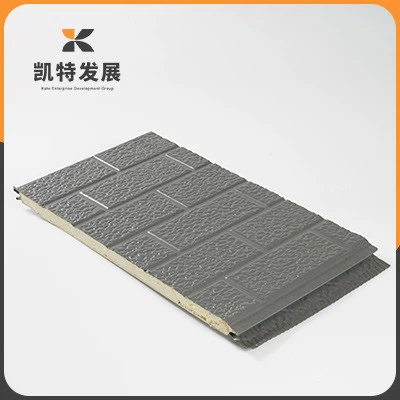
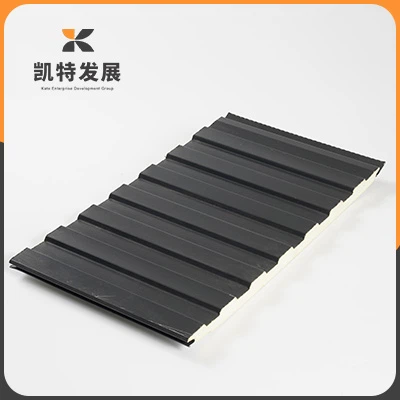
Sandwich panels are composite materials consisting of two outer layers (facings) and a core material in between. The facings can be made of various materials such as metal, fiberglass, or plastic, while the core is typically composed of insulation materials like polyurethane (PU), polystyrene (PS), or mineral wool. These panels are widely used in prefabricated houses due to their excellent insulation properties, lightweight nature, and ease of installation.
For instance, our Exterior Pu Sandwich Panel is a popular choice for exterior walls of prefabricated houses. It combines a durable metal facing with a high - performance polyurethane core, providing both insulation and aesthetic appeal. Similarly, the Metal Sandwich Pu Panel offers a strong and insulated solution for various building applications. And the Metal Siding 16mm Decorative Wall Panel not only adds a decorative touch but also contributes to the overall energy efficiency of the house.
Recyclability of Different Components
Metal Facings
Metal facings, commonly made of steel or aluminum, are highly recyclable. Steel is one of the most recycled materials in the world. When a prefabricated house reaches the end of its life cycle, the metal facings of the sandwich panels can be separated from the other components. The separated metal can then be melted down and reused to produce new metal products, including new sandwich panel facings. Recycling steel requires significantly less energy compared to producing new steel from raw materials, which makes it an environmentally friendly option. Aluminum is also recyclable, and the recycling process can save up to 95% of the energy needed to produce new aluminum.
Insulation Cores
The recyclability of the insulation cores depends on the type of material used.
- Polyurethane (PU): Recycling PU cores is more challenging but not impossible. There are several methods for recycling PU, including chemical recycling and mechanical recycling. Chemical recycling involves breaking down the PU into its basic components, which can then be used to produce new PU products. Mechanical recycling, on the other hand, grinds the PU into small particles that can be used as fillers in other materials. However, the quality of the recycled PU may be lower than that of the original material, and the process often requires specialized equipment.
- Polystyrene (PS): PS can be recycled through mechanical recycling. The PS is melted and reformed into new products. However, like PU, the recycled PS may have reduced properties compared to the virgin material. Additionally, the presence of additives and contaminants in the PS core can complicate the recycling process.
- Mineral Wool: Mineral wool is relatively easy to recycle. It can be melted down and reformed into new mineral wool products. The recycling process for mineral wool is energy - intensive but still more sustainable than producing new mineral wool from raw materials.
Recycling Processes
The recycling of sandwich panels typically involves the following steps:
- Dismantling: The first step is to carefully dismantle the prefabricated house and separate the sandwich panels from other building components. This process should be carried out in a way that minimizes damage to the panels.
- Separation: Once the panels are removed, the different components (metal facings, insulation core) need to be separated. This can be done using mechanical methods such as cutting, grinding, or shredding. In some cases, chemical processes may also be used to dissolve the bonding agents between the facings and the core.
- Recycling of Components: After separation, each component is sent to the appropriate recycling facility. The metal facings are sent to a metal recycling plant, while the insulation cores are processed according to their specific recycling methods.
- Quality Control: The recycled materials are then subjected to quality control measures to ensure that they meet the standards for use in new products.
Environmental Implications
The recyclability of sandwich panels for prefabricated houses has significant environmental benefits.
- Reduction of Waste: By recycling the panels, we can reduce the amount of waste sent to landfills. This helps to conserve landfill space and prevent the release of harmful substances into the environment.
- Energy Savings: Recycling metal and insulation materials requires less energy compared to producing new materials from raw sources. This results in a reduction in greenhouse gas emissions and a more sustainable use of energy resources.
- Conservation of Resources: Recycling allows us to reuse valuable resources such as metal and polymers, reducing the need for mining and extraction of new raw materials.
Challenges and Solutions
Despite the potential for recycling sandwich panels, there are several challenges that need to be addressed.
- Lack of Infrastructure: There is a lack of widespread recycling infrastructure for sandwich panels, especially for the more complex insulation materials like PU. To overcome this, governments and industry players need to invest in the development of specialized recycling facilities.
- Cost: Recycling can be more expensive than disposing of the panels in landfills, especially for small - scale projects. However, as the demand for recycled materials increases and the technology for recycling improves, the cost is likely to decrease.
- Quality Assurance: Ensuring the quality of the recycled materials is crucial. Standards and regulations need to be established to guarantee that the recycled materials meet the required specifications for use in new products.
Conclusion
In conclusion, sandwich panels for prefabricated houses can be recycled, although the recyclability varies depending on the components used. Metal facings are highly recyclable, while the recycling of insulation cores presents more challenges but is still achievable. By investing in the development of recycling infrastructure, improving recycling technologies, and raising awareness about the importance of recycling, we can make the use of sandwich panels in prefabricated houses even more sustainable.
If you are interested in purchasing high - quality sandwich panels for your prefabricated house projects, I encourage you to contact us for a detailed discussion. We are committed to providing sustainable and innovative solutions that meet your specific needs.
References
- "Recycling of Polyurethane Foams: A Review", Journal of Polymers and the Environment
- "Recycling of Steel: An Overview", International Journal of Recycling of Materials
- "Mineral Wool Recycling: Processes and Applications", Journal of Building Materials and Recycling