

Hey everyone! I'm a supplier of fireproof boards, and I've had my fair share of customers coming to me with questions about how to repair damaged fireproof boards. Fireproof boards are super important, especially in places where safety is a top priority. They're used in a bunch of settings, like commercial buildings, kitchens, and even some industrial areas.
So, let's first talk about why a fireproof board might get damaged. There are a few common reasons. One is physical impact. Maybe something heavy was dropped on it, or it got hit during construction or renovation work. Another reason could be moisture. If the board is exposed to water or high humidity for a long time, it can start to warp, delaminate, or even develop mold. Then there's wear and tear from regular use. Over time, the surface of the fireproof board can get scratched or scuffed.
Assessing the Damage
Before you start any repair work, you need to figure out how bad the damage is. A minor scratch might be easy to fix, while a large area of delamination or a significant crack could be more complicated.
- Scratches and Scuffs: These are usually just on the surface. You can tell if it's just a surface issue by running your finger over the scratch. If you can't feel a big dip or bump, it's likely just a surface scratch.
- Cracks: Small cracks can sometimes be repaired, but if the crack is wide or runs through a large part of the board, it might be better to replace the whole thing. Check to see if the crack is deep by looking at the side of the board.
- Delamination: This is when the layers of the board start to separate. You can usually spot it as a bump or bubble on the surface of the board. If it's a small area of delamination, you might be able to fix it, but if it's widespread, replacement is probably the way to go.
Tools and Materials You'll Need
Once you've assessed the damage, it's time to gather the tools and materials for the repair. Here's a general list:
- Sandpaper: Different grits are useful for smoothing out rough edges and preparing the surface for repair. Coarse grit (around 80 - 120) is good for removing any loose or damaged material, while fine grit (around 220 - 320) is great for final smoothing.
- Wood Filler or Epoxy Resin: Depending on the type of damage, you'll need a filler to fill in cracks, holes, or areas of delamination. Wood filler is good for smaller repairs, while epoxy resin is stronger and better for larger or more structural repairs.
- Putty Knife: This is used to apply the filler and smooth it out.
- Clamps: If you're repairing a delaminated area, clamps can help hold the layers together while the adhesive dries.
- Paint or Varnish (Optional): If you want to match the color and finish of the fireproof board after the repair, you'll need some paint or varnish. Make sure to choose a product that's suitable for fireproof boards.
Repairing Minor Scratches and Scuffs
Minor scratches and scuffs are the easiest to fix. Here's how you can do it:
- Clean the Area: Use a clean, damp cloth to wipe away any dust or debris from the scratched area. Make sure the surface is completely dry before you proceed.
- Sand the Scratch: Use fine - grit sandpaper (around 220 - 320) to gently sand the scratch. This will help smooth out the rough edges and make the repair blend in better. Sand in the direction of the grain if the fireproof board has a visible grain pattern.
- Apply Filler (Optional): If the scratch is a bit deeper and there's a visible groove, you can apply a small amount of wood filler. Use a putty knife to spread the filler evenly over the scratch and smooth it out. Let the filler dry according to the manufacturer's instructions.
- Sand Again: Once the filler is dry, use fine - grit sandpaper to sand the filled area until it's smooth and level with the surrounding surface.
- Finish the Repair: If you want to match the color and finish of the fireproof board, you can apply a small amount of paint or varnish. Use a small brush to carefully apply the product, and let it dry completely.
Fixing Cracks
Cracks are a bit more challenging to repair, but it's still possible. Here's what you can do:
- Clean the Crack: Use a toothpick or a small brush to remove any debris from the crack. You can also use compressed air to blow out any dust.
- Prepare the Adhesive: If you're using epoxy resin, mix it according to the manufacturer's instructions. Make sure to work in a well - ventilated area and wear gloves to protect your hands.
- Fill the Crack: Use a putty knife or a syringe to carefully fill the crack with the adhesive. Make sure to fill the crack completely, and smooth out the surface of the adhesive.
- Clamp the Crack (if necessary): If the crack is large or if you're worried about the two sides separating while the adhesive dries, you can use clamps to hold them together. Place the clamps on either side of the crack, but make sure not to apply too much pressure, as this could cause the crack to widen.
- Let the Adhesive Dry: This usually takes a few hours, but it can take longer depending on the type of adhesive and the environmental conditions. Follow the manufacturer's instructions for the drying time.
- Sand and Finish: Once the adhesive is dry, use sandpaper to smooth out the surface of the repair. Start with coarse grit sandpaper to remove any excess adhesive, and then finish with fine - grit sandpaper for a smooth finish. If needed, you can apply paint or varnish to match the rest of the board.
Repairing Delamination
Delamination is a more serious issue, but it can still be repaired in some cases. Here's the process:
- Determine the Extent of Delamination: Carefully lift the delaminated area to see how far it extends. If it's a small area, you might be able to fix it. If it's a large area, replacement might be the best option.
- Clean the Layers: Use a clean, dry cloth to wipe away any dust or debris from the delaminated layers. Make sure the surfaces are completely dry.
- Apply Adhesive: Use an appropriate adhesive for the fireproof board. Epoxy resin is a good choice for its strength. Apply a thin, even layer of adhesive to both the delaminated layer and the underlying surface.
- Re - attach the Layers: Carefully place the delaminated layer back in its original position. Make sure it's aligned correctly. Use a putty knife or a roller to smooth out the layer and remove any air bubbles.
- Clamp the Area: Use clamps to hold the layers together while the adhesive dries. Place the clamps evenly across the delaminated area, and apply gentle pressure. Leave the clamps in place for the recommended drying time.
- Sand and Finish: Once the adhesive is dry, use sandpaper to smooth out the surface of the repair. Finish with fine - grit sandpaper for a smooth appearance. You can then apply paint or varnish to match the rest of the board.
When to Replace the Fireproof Board
Sometimes, repair might not be the best option. Here are some signs that it's time to replace the fireproof board:
- Severe Damage: If the board is cracked, delaminated, or damaged over a large area, it's generally safer and more effective to replace it.
- Safety Concerns: If the damage affects the fire - proofing properties of the board, it's important to replace it to maintain a safe environment.
- Structural Integrity: If the damage compromises the structural integrity of the board, replacement is necessary to prevent further issues.
Our Products
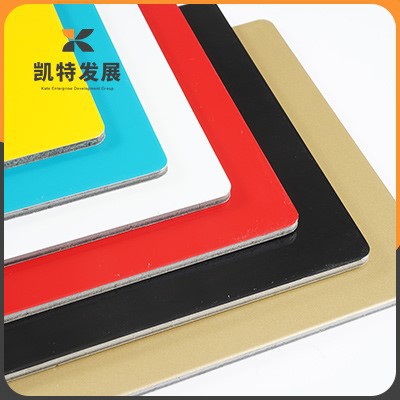
As a fireproof board supplier, we offer a wide range of high - quality fireproof boards. For interior applications, you might be interested in our 3mm Interior Pe Aluminum Composite Panel. It's lightweight, easy to install, and has great fire - proofing properties.
If you need a more heavy - duty fireproof board for commercial or industrial settings, our A2 Grade Fireproof Board and A2 Level Fireproof Metal Plate are excellent choices. They meet strict fire - safety standards and are built to last.
We understand that different projects have different requirements, and we're here to help you find the right fireproof board for your needs. Whether you're in the middle of a repair project or planning a new construction, feel free to reach out to us for more information. We'd love to discuss your requirements and help you make the best decision for your project.
Contact Us
If you're interested in our fireproof boards or have any questions about repair or installation, don't hesitate to get in touch. We're happy to provide you with more details, samples, and pricing information. Let's work together to ensure your project is safe and successful.
References
- "Building Materials Handbook" - A comprehensive guide to various building materials and their properties.
- Manufacturer's manuals for fireproof boards and repair materials.