

As a supplier of Aluminum Composite Panels Exterior, I often receive inquiries from customers about the suitability of our products in various environmental conditions. One of the most common questions is whether exterior aluminum composite panels can be used in high - humidity areas. In this blog post, I will explore this topic in detail, taking into account the properties of aluminum composite panels, potential challenges in high - humidity environments, and solutions to ensure their long - term performance.
Properties of Aluminum Composite Panels
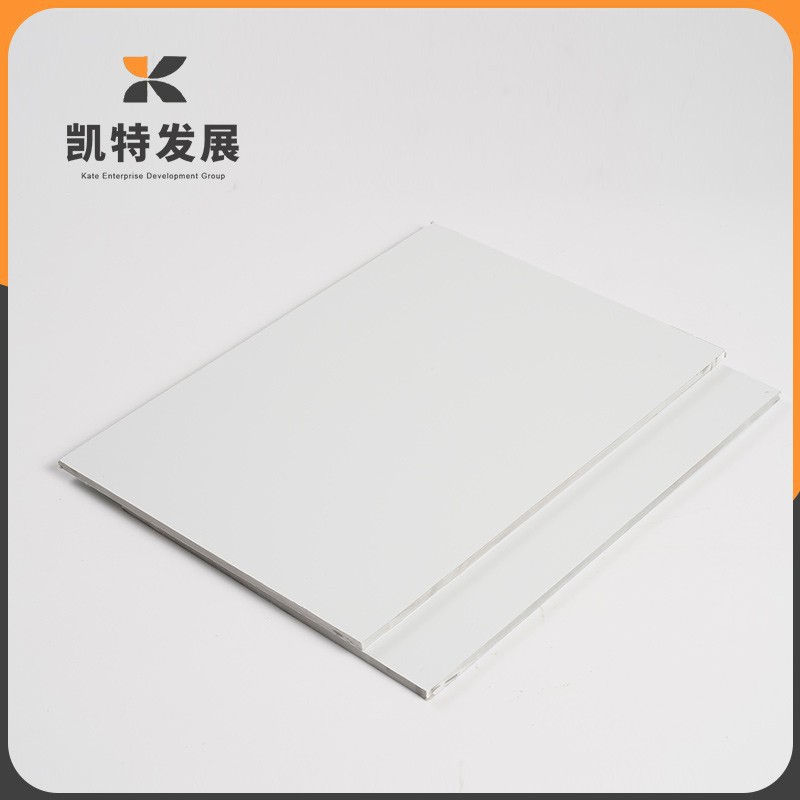
Aluminum composite panels (ACPs) are composed of two thin aluminum sheets bonded to a non - aluminum core. The aluminum sheets typically provide excellent durability, weather resistance, and aesthetic appeal, while the core material can vary depending on the application, with common options including polyethylene (PE), fire - retardant materials, and mineral - filled cores.
Durability and Weather Resistance
The outer aluminum layers of ACPs are naturally resistant to corrosion to some extent. Aluminum forms a thin oxide layer on its surface when exposed to air, which acts as a protective barrier against further oxidation. This inherent property gives ACPs a certain level of durability in different weather conditions. Additionally, the panels can be coated with protective finishes such as polyester or fluorocarbon coatings, which enhance their resistance to UV rays, moisture, and other environmental factors.
Aesthetic Appeal
ACPs are available in a wide range of colors, finishes, and patterns, making them a popular choice for architectural facades. They can be used to create modern, sleek, and visually appealing building exteriors, regardless of the location.

Challenges in High - Humidity Areas
While aluminum composite panels have many advantages, high - humidity areas present some unique challenges that need to be addressed.
Corrosion
Although aluminum has some corrosion resistance, prolonged exposure to high humidity can accelerate the corrosion process. High humidity means there is more moisture in the air, which can condense on the surface of the panels. If the protective coating on the aluminum sheets is damaged or of poor quality, the moisture can penetrate the oxide layer and react with the aluminum, leading to the formation of rust or other corrosion products. This can not only affect the appearance of the panels but also compromise their structural integrity over time.
Mold and Mildew Growth
High humidity provides an ideal environment for mold and mildew to grow. If the surface of the ACPs remains wet for extended periods, mold and mildew can start to develop on the panels. This not only looks unsightly but can also pose health risks to the building occupants. Moreover, mold and mildew can cause damage to the protective coating of the panels, further exacerbating the corrosion problem.
Adhesive Failure
The bonding between the aluminum sheets and the core material in ACPs is achieved through adhesives. High humidity can affect the performance of these adhesives. Excessive moisture can cause the adhesives to weaken or break down, leading to delamination of the panels. Delamination not only reduces the structural integrity of the panels but also affects their overall appearance.
Solutions for Using ACPs in High - Humidity Areas
Despite the challenges, with proper selection, installation, and maintenance, aluminum composite panels can be successfully used in high - humidity areas.
Panel Selection
- Choose High - Quality Panels: Opt for ACPs with high - quality protective coatings. Fluorocarbon coatings, for example, offer superior weather resistance and durability compared to polyester coatings. They are more resistant to moisture, UV rays, and chemical corrosion, making them a better choice for high - humidity environments.
- Consider Fire - Retardant and Moisture - Resistant Cores: For high - humidity areas, it is advisable to choose ACPs with fire - retardant and moisture - resistant cores. A2 Grade Fireproof Board is a good option as it not only provides fire protection but also has better resistance to moisture absorption, reducing the risk of adhesive failure and mold growth.
- Select the Right Thickness: Thicker panels generally offer better durability and resistance to environmental factors. 4mm Acp Refractory Aluminum Composite Panel is more robust than thinner panels and can withstand the challenges of high - humidity areas better.
Installation
- Proper Ventilation: Ensure proper ventilation during the installation of ACPs. Adequate ventilation helps to reduce the moisture content around the panels, preventing condensation and mold growth. This can be achieved by leaving sufficient gaps between the panels and the building structure or by installing ventilation systems behind the panels.
- Sealing and Waterproofing: Use high - quality sealants to seal the joints between the panels. This prevents water from seeping into the panels and causing damage. The sealants should be resistant to moisture, UV rays, and temperature changes to ensure long - term performance.
- Correct Installation Techniques: Follow the manufacturer's installation guidelines carefully. Improper installation can lead to problems such as uneven stress distribution, which can cause the panels to warp or delaminate. Make sure the panels are installed securely and level to prevent water pooling on the surface.
Maintenance
- Regular Cleaning: Regularly clean the ACPs to remove dirt, dust, and other contaminants. This helps to maintain the appearance of the panels and prevents the accumulation of substances that can promote mold growth. Use a mild detergent and a soft cloth or sponge to clean the panels, and rinse them thoroughly with water.
- Inspection: Conduct regular inspections of the panels to check for signs of corrosion, mold growth, or delamination. Early detection of problems allows for timely repairs, which can prevent further damage and extend the lifespan of the panels.
Conclusion
In conclusion, exterior aluminum composite panels can be used in high - humidity areas, but it requires careful consideration of the panel selection, proper installation, and regular maintenance. By choosing high - quality panels, implementing correct installation techniques, and following a proper maintenance schedule, the challenges associated with high humidity can be effectively managed.
If you are interested in our 4mm Acp Refractory Aluminum Composite Panel, 3mm Acm Panels Decorative Solid Color Aluminum Composite Panel, or A2 Grade Fireproof Board for your project in a high - humidity area, please feel free to contact us for more information and to discuss your specific requirements. We are here to provide you with the best solutions and ensure the success of your project.
References
- ASTM International. (Year). Standard test methods for evaluating the properties of aluminum composite panels.
- Manufacturer's technical documentation for aluminum composite panels.
- Architectural design and construction guidelines for high - humidity environments.