

Hey there! I'm a supplier of sandwich panels for prefabricated houses, and I've been getting a lot of questions lately about how these panels affect indoor air quality. So, I thought I'd write this blog post to share some insights and clear up any confusion.
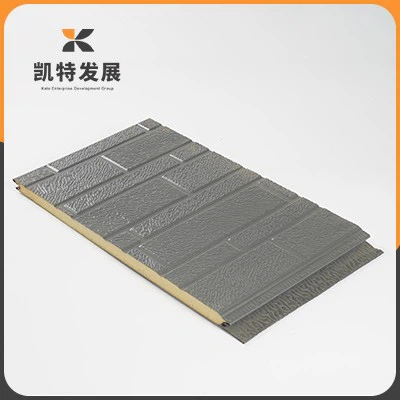
First off, let's talk about what sandwich panels are. They're basically composite materials made up of two outer layers (usually metal) and a core material in between. The core can be made of different substances like polyurethane (PU), polystyrene, or mineral wool. These panels are super popular for prefabricated houses because they're lightweight, easy to install, and offer great insulation.
Now, onto the big question: how do these panels impact indoor air quality? Well, it all boils down to the materials used in the panels and how they're manufactured.
The Core Material Matters
Let's start with the core material. Polyurethane (PU) is a common choice for sandwich panels. It's known for its excellent insulation properties, which can help keep your prefab house warm in the winter and cool in the summer. But, during the manufacturing process, PU can release volatile organic compounds (VOCs). These are chemicals that can vaporize at room temperature and potentially cause health issues when inhaled in large amounts.
However, modern manufacturing techniques have come a long way. Reputable suppliers, like us, use low-VOC or VOC-free PU formulations. This means that the amount of harmful chemicals released into the air is significantly reduced. When you choose high-quality Metal Sandwich Pu Panel, you can rest assured that you're getting a product that's safe for your indoor environment.
On the other hand, polystyrene cores are generally considered to be more stable and less likely to release VOCs. They're also lightweight and provide good insulation. Mineral wool cores are another great option. They're made from natural materials like rock or slag, and they're non-combustible and have excellent sound insulation properties. Plus, they don't emit any harmful chemicals, so they're a great choice for improving indoor air quality.
The Outer Layers
The outer layers of sandwich panels are usually made of metal, like steel or aluminum. These materials are durable, weather-resistant, and don't release any harmful substances into the air. In fact, they can help protect the core material from moisture and other environmental factors that could potentially lead to the growth of mold and mildew.
Mold and mildew are major concerns when it comes to indoor air quality. They can release spores into the air, which can cause allergic reactions, respiratory problems, and other health issues. By using high-quality metal outer layers, you can prevent moisture from seeping into the core and reduce the risk of mold growth. For example, our Metal Siding 16mm Decorative Wall Panel not only looks great but also provides excellent protection for your prefab house.
Installation and Ventilation
Even if you choose the best sandwich panels for your prefab house, proper installation and ventilation are crucial for maintaining good indoor air quality. During the installation process, it's important to make sure that the panels are properly sealed to prevent air leaks. Air leaks can allow outdoor pollutants, like dust and pollen, to enter your home and reduce the quality of the indoor air.
Ventilation is also key. A well-ventilated home allows fresh air to circulate and removes stale air and pollutants. You can install mechanical ventilation systems, like exhaust fans or air exchangers, to ensure that your home has adequate ventilation. Additionally, opening windows and doors regularly can help improve air circulation and reduce the concentration of VOCs and other pollutants in the air.
Testing and Certification
As a supplier, we take indoor air quality seriously. That's why we make sure that all our sandwich panels meet strict quality and safety standards. We conduct regular testing to ensure that our products are free from harmful substances and comply with environmental regulations.
Look for sandwich panels that have been certified by recognized organizations, like the Green Building Council or the Indoor Air Quality Association. These certifications are a sign that the panels have been tested and meet certain standards for indoor air quality and environmental performance. For example, our Exterior Pu Sandwich Panel has been tested and certified to ensure that it's safe and environmentally friendly.

Conclusion
In conclusion, sandwich panels for prefabricated houses can have a positive impact on indoor air quality if you choose the right materials and ensure proper installation and ventilation. By using low-VOC or VOC-free core materials, high-quality metal outer layers, and following best practices for installation and ventilation, you can create a healthy and comfortable indoor environment in your prefab house.
If you're in the market for sandwich panels for your prefab house, I'd love to chat with you. We offer a wide range of high-quality sandwich panels that are designed to meet your specific needs and budget. Whether you're looking for insulation, durability, or a stylish design, we've got you covered. Don't hesitate to reach out to us to discuss your project and get a quote. Let's work together to create a beautiful and healthy prefab home!
References
- "Indoor Air Quality Guidelines." World Health Organization.
- "Green Building Materials: A Guide to Sustainable Construction." National Association of Home Builders.
- "Volatile Organic Compounds (VOCs) in Indoor Air." Environmental Protection Agency.